penang is a beautiful gateway.penang known as the pearl of the orrient
Sunday, 4 December 2011
Favourite Penang Hawker Foods
Favourite Penang Hawker Foods
ABC/Ice Kachang
Ak Thui Mee Sua
Apom
Ahh Indian pancakes are the best. Must be the yeast and the eggs giving it that special taste. Cooked in small bowl shaped metal pans over a hot charcoal stove, it has a special shape. Puffy and spongy in the middle and crispy at the edges
A video of how the Apoms are being made.
Bah Kut Teh
Had this for supper just now. Very nice on a cold rainy night. Bah Kut Teh is a Chinese herbal claypot stew which has pork, tau kua, mushrooms and even intestines. It is eaten with white rice or yam rice often accompanied by yu char koay.
Bak kut teh is a Chinesesoup concoction popularly served inMalaysia, Singapore and also states of neighbouring countries like Batam of Indonesia and Hat Yai of Thailand. Generally it is cooked in a clay pot with various parts of the pig, varieties of mushroom, lettuce, and dried tofu sheets or pieces . The soup itself is a brothwhich consists of several herbs and spices (including star anise,cinnamon, cloves and garlic) boiled together with pork bones for hours. Light and dark soy sauce are also added to the soup during cooking, with varying amounts depending on the variant.
Bak Kut Teh is typically served in a steaming clay pot
Another picture of Bak Kut Teh
Bak kut teh is best eaten with rice, and in Malaysia, it is often served with strips of fried dough called Youtiao. Soy sauce (usually light soy sauce, but dark soy sauce is also offered sometimes) is preferred as a condiment, with which chopped chilli padi and minced garlic is taken together. Tea of various kinds (the Tieguanyin variety is especially popular in the Klang Valley area of Malaysia) is also usually served in the belief that it dilutes or dissolves the copious amount of fat consumed in this pork-laden dish.
Klang, widely believed to be the home of bak kut teh, is famous for her many restaurants serving the best and tastiest bak kut teh in the region. Indeed, the dish is reported to have been invented in Port Klang for port coolies there in the early 20th century, to supplement their meagre diet and as a tonic to boost their health.
There are numerous variants of bak kut teh with its cooking style closely influenced by the prevailing Chinese enclave of a certain geographical location. In Singapore, there are three types of bak kut teh. The Hokkien, who prefer saltier food, use more soy sauce, which results in a darker soup. The Cantonese, with a soup-drinking culture, add medicinal herbs to create a stronger flavoured soup. The most common variant is the Teochew style, which uses more pepper in the soup.
A less fatty variation of bak kut teh made with chicken instead of pork is called chik kut teh. It also serves as a halal version of the dish.
Char Koay Teow
A classic Penang hawker food specialty. You have not tasted REAL char koay teoh until you have come to Penang. Penang CKT is the gold standard!
Char kway teow has a reputation of being unhealthy due to its fatcontent. However, when the dish was first invented, it was mainly served to labourers. The high fat content and low cost of the dish made it attractive to these people as it was a cheap source of energyand nutrients. When the dish was first served, it was often sold byfishermen, farmers and cockle-gatherers who doubled up as char kway teow sellers in the evening to supplement their income.
HINT: Wok must be on high heat. To make it a truly authentic dish, cook and serve each dish individually. Use enough oil so the noodles won't stick but not too much or the char koay teow becomes greasy. You can also add 'kecep manis' or sweet soy sauce for added favour.
Makes about 6 servings. You can add in any vegetables of your choice, I find choi sum tastes best.
Prepare garlic oil:
Heat oil or lard, add garlic and remove only when fragrant
Set wok aside for frying
Prepare noodles:
Heat 2 tsp garlic oil (see above)
Add prawns or/and vegetables, chillie - set aside
Add garlic oil, noodles, soy sauce
Mix in prawns or/and vegetables and beansprouts
Push mixture to edge of wok, add a little oil in centre, break eggs, fry and then mix everything together
Garnish with chives and pepper
Serve immediately & hot
I like this uncle's CKT at Bee Hooi coffee shop in Pulau Tikus. He sells only at night and he will be busy frying the CKT while his wife naggs him all the time. He fries them individually so the CKT is not soggy. Recommended highly.


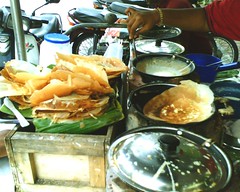 Ahh Indian pancakes are the best. Must be the yeast and the eggs giving it that special taste. Cooked in small bowl shaped metal pans over a hot charcoal stove, it has a special shape. Puffy and spongy in the middle and crispy at the edges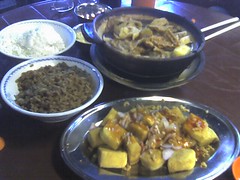


 A classic Penang hawker food specialty. You have not tasted REAL char koay teoh until you have come to Penang. Penang CKT is the gold standard!
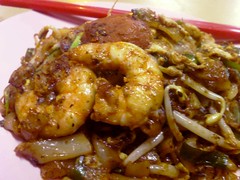
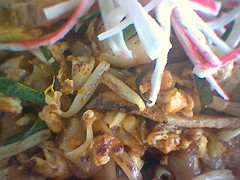 Here is another char koay teow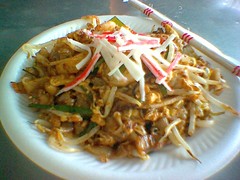
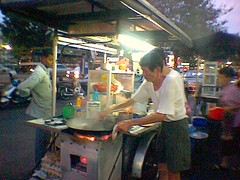 I like this uncle's CKT at Bee Hooi coffee shop in Pulau Tikus. He sells only at night and he will be busy frying the CKT while his wife naggs him all the time. He fries them individually so the CKT is not soggy. Recommended highly.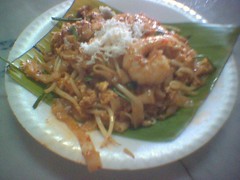


No comments:
Post a Comment